Astrochronology: Using Earth’s Astronomical Motions as a Geological Timekeeper and Planetary Decoder
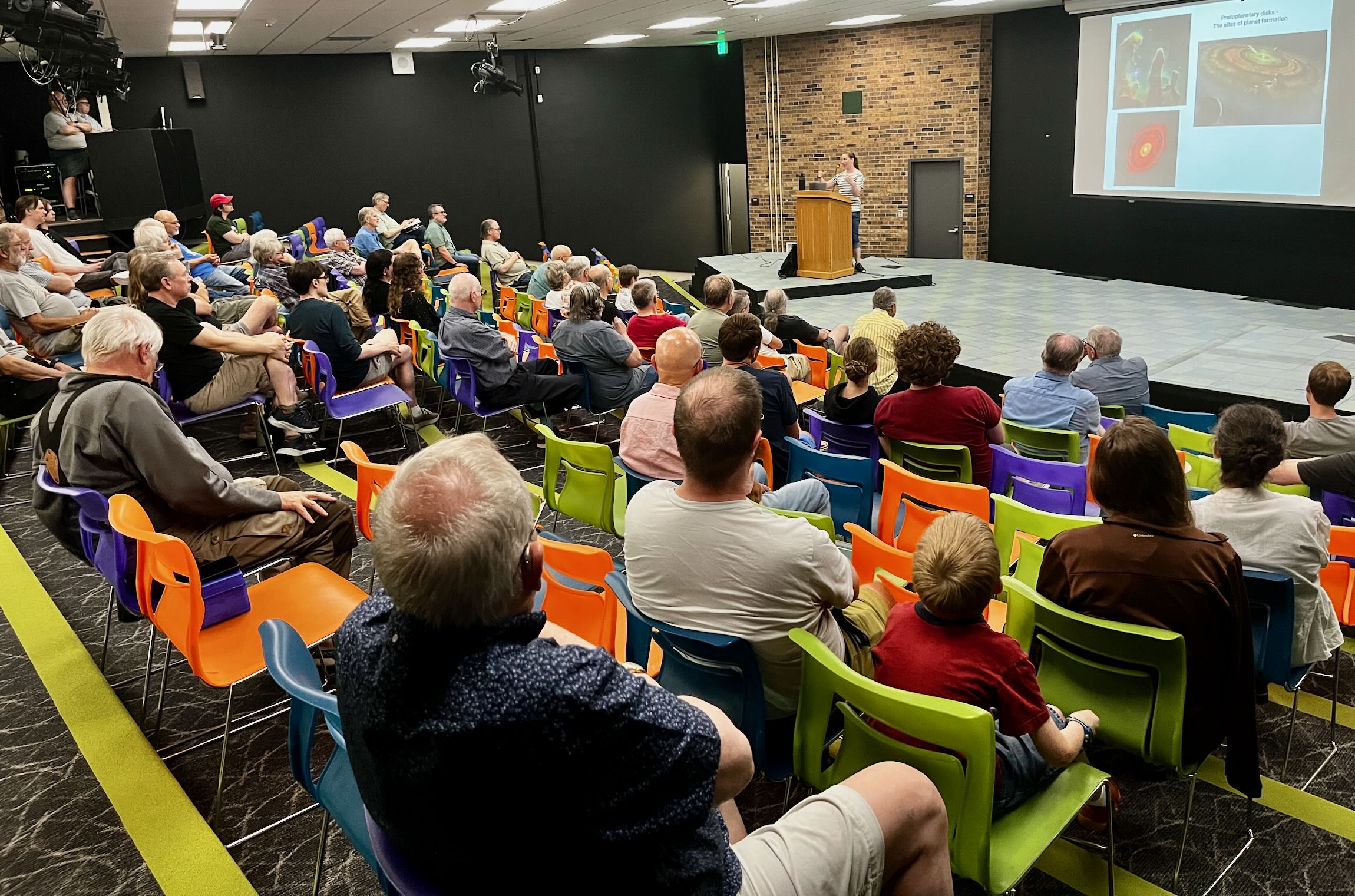
Friday, November 13, 2026, 7 pm, Memorial High School
Dr. Stephen R. Meyers
Vilas Distinguished Professor of Geoscience at the University of Wisconsin-Madison
The long history of our planet provides a rich tapestry of boundary conditions and past ‘experiments’, which can be used to understand how the Earth System works and can inform decisions about our future. But how do we decode that history from a complex geological record?
The Capitol Skies newsletter is the continuation of a tradition that goes back to the club’s origins in 1935. MAS is happy to extend this tradition today. If you would like to be a contributor, contact editor Jack Fitzmier, atmadisonastro.info@gmail.com.
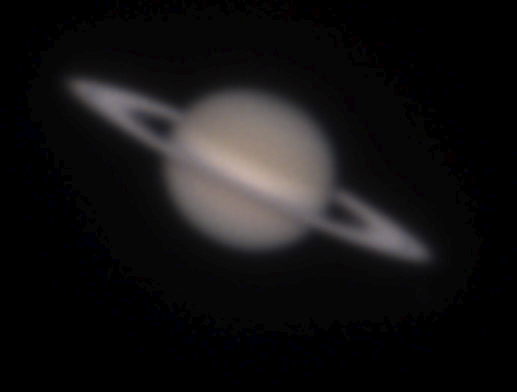
At this year’s “Moon Over Monona Terrace Convention Center” event, John Rummel teamed up with Bob Hamers, who brought his 9.25-inch Celestron EdgeHD telescope. A low-pressure system cleared out just in time, leaving them with pristine skies and excellent atmospheric conditions. They were able to treat attendees to highly magnified views of the Moon, Saturn, and Neptune.
September, 1950 MAS meeting at the Washburn Observatory.
The Madison Astronomical Society has continuously operated as a club for over 90 years. But, like many organizations, we have paid only passing attention to documenting our own history.