• First MAS Seestar Collaboration

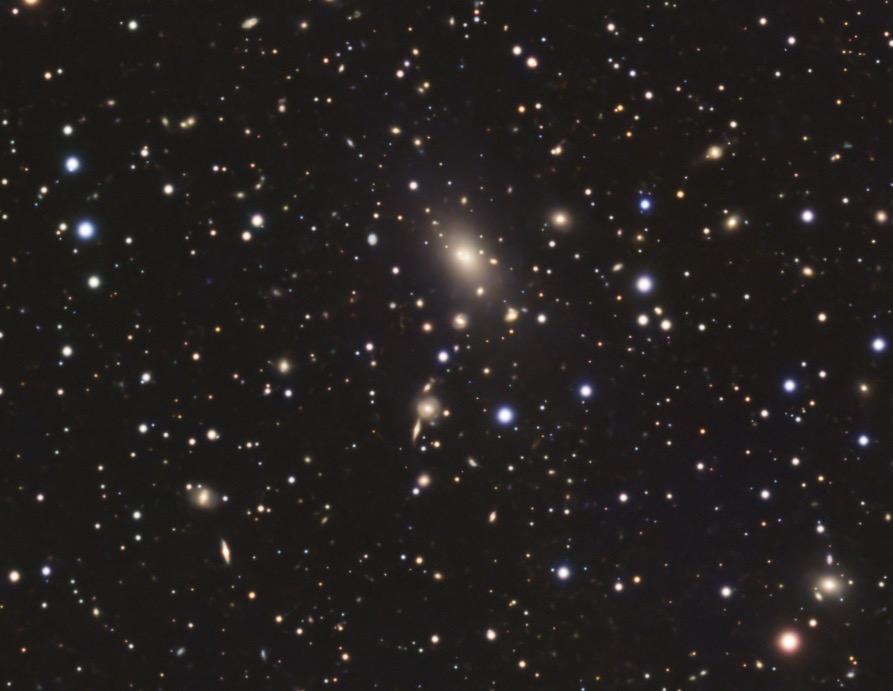
    A crop of the 116 hour Seestar collaboration shot. Shows a field of many small galaxies and stars.

    In the spring of 2026, MAS member and Seestar owner Jack Fitzmier had an idea. Having read about a Seestar collaboration in China, Jack wondered if we could do something like that here. Maybe a few of our Seestar owners could be persuaded to contribute to a large group project. It seemed like it was worth a try.

    By the time the project concluded at the end of July, we had 12 participants with Seestar S50s and S30 Pros.

    (more…)
  • Aurora Through Clouds?

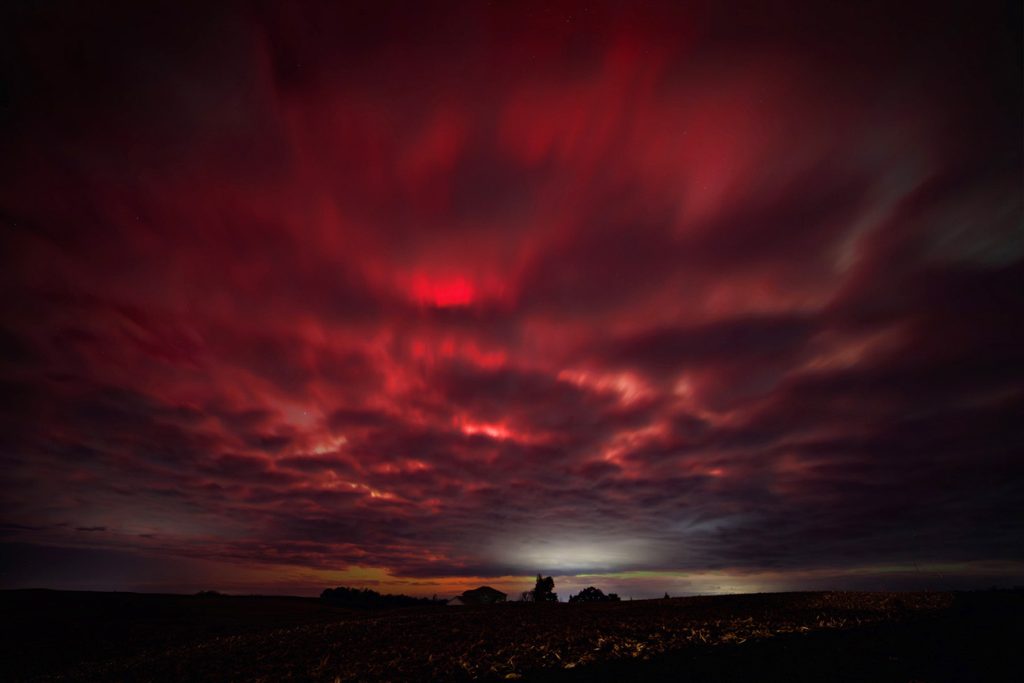
    Photograph of red aurora shining through clouds: Timothy Hughes. timothyhughes.com.
    credit: Tim Hughes.

    When the aurora borealis is going off, clouds are almost always the spoiler. But is it possible to see the aurora through the clouds?

    Obviously you can see the northern lights through breaks in the clouds. When skies are mostly cloudy, every hole becomes an astronomer’s friend. Holes allow us brief glimpses of the heavens—planets, deep sky objects—for fleeting intervals as a cloud deck drifts overhead.

    (more…)
  • Fun with LROC QuickMap

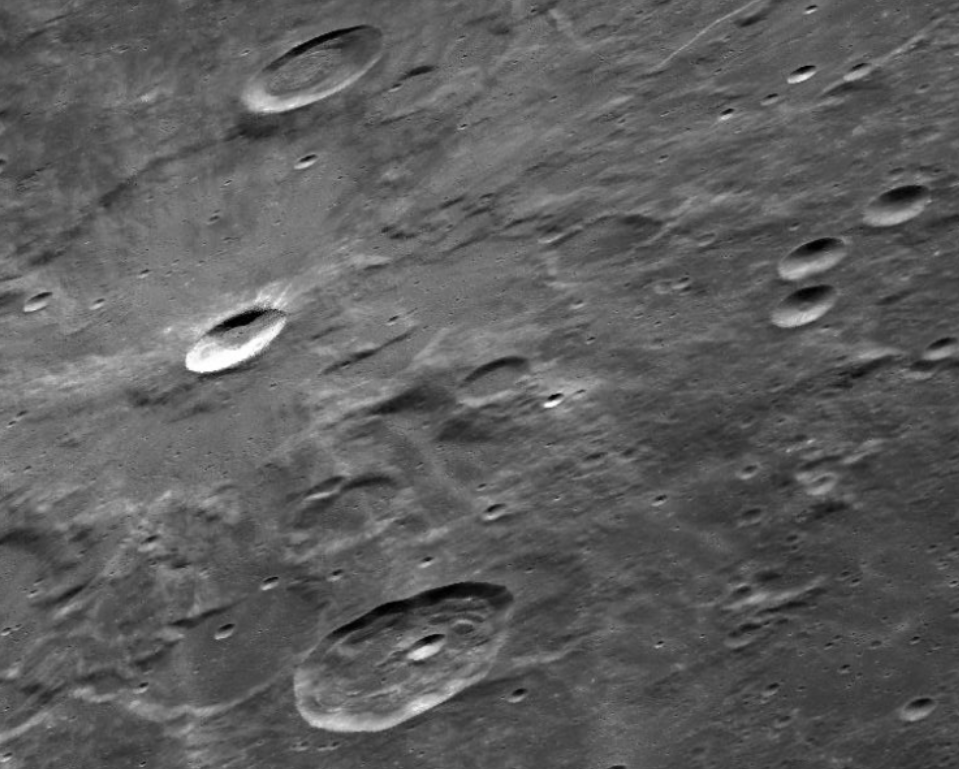
    The LROC QuickMap is like a web-based virtual telescope that puts thousands of terabytes of lunar imagery at your fingertips. Its powerful interface makes browsing lunar images deceptively easy—and addicting.

    (more…)
  • M31, Then and Now

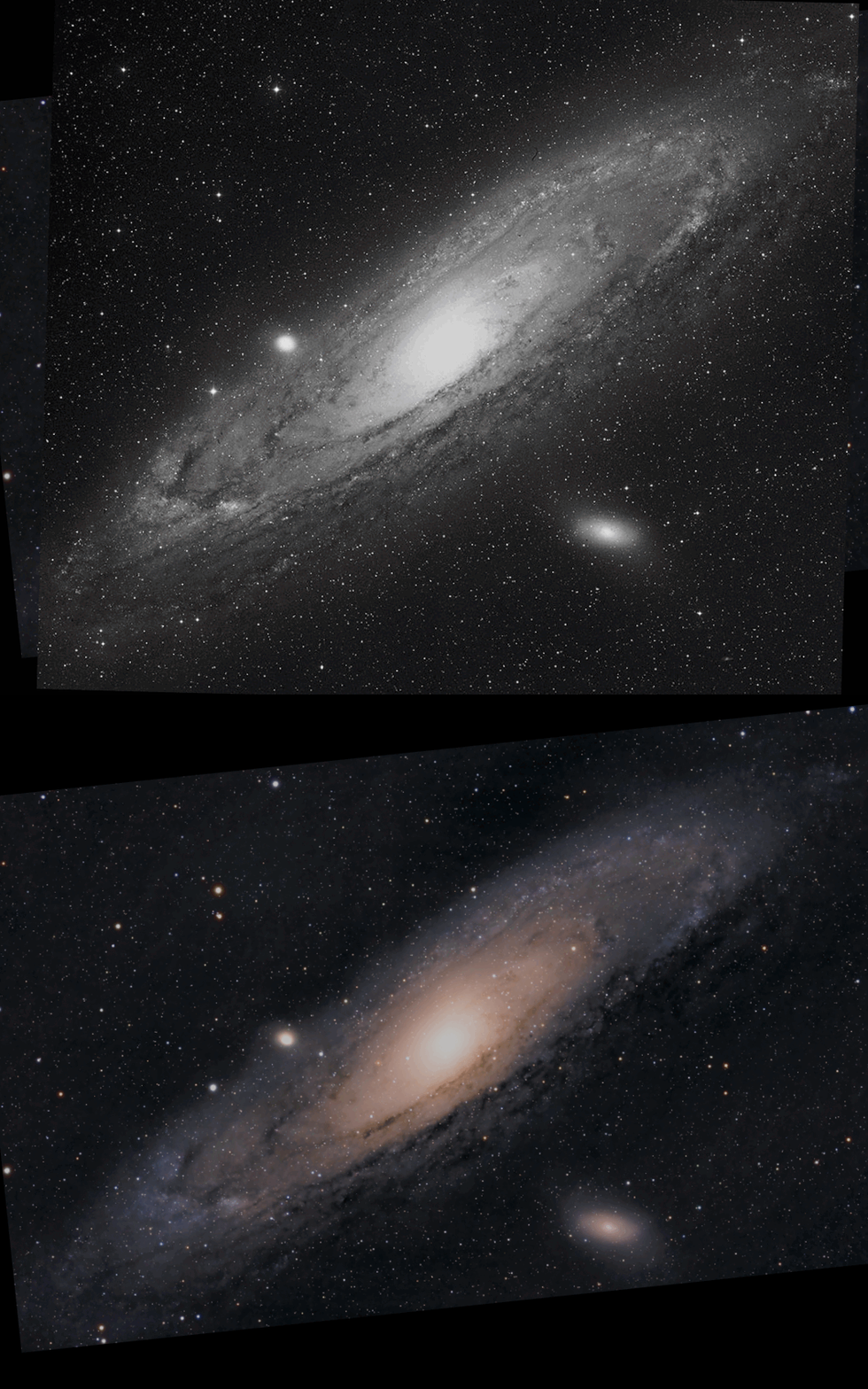
    blinking GIF comparing shots of M31 from the Palomar Survey (POSS) and a modern Seestar.
    The Palomar Sky Survey shot of M31 blink-compared to the one from Carol Santulis’s SeeStar. Can you tell which is which?

    Sometimes I like to sit back and marvel at the remarkable progress our hobby has seen over the past half century or so. Technology has revolutionized everything, but perhaps nothing has changed more profoundly than astrophotography.

    (more…)
  • Titan Shadow Transit Season

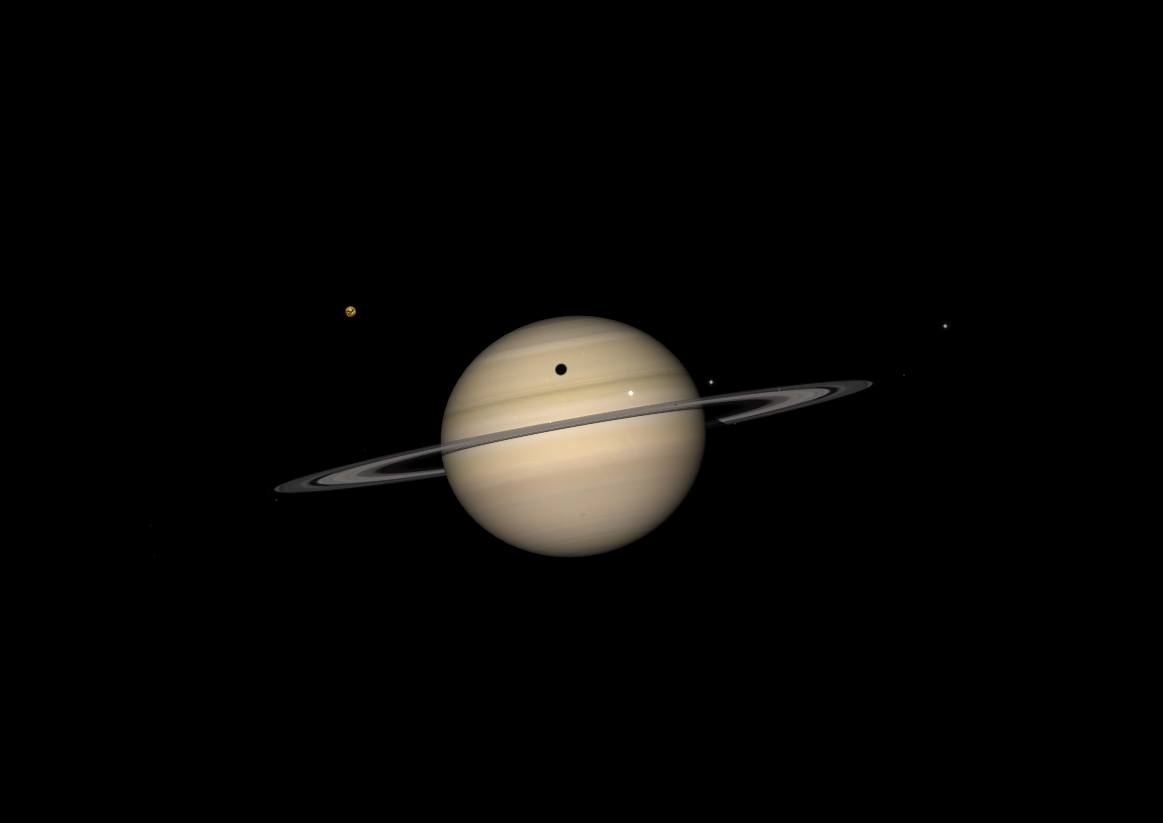
    Starry Night Pro simulation of titan shadow transit
    A simulation created using Starry Night Pro of Titan’s shadow transiting Saturn’s disk.

    Twice during every 29.5 year orbital period of Saturn around the sun, Earth and Saturn briefly occupy the same ecliptic plane. During this brief period two rare planetary phenomena can be observed: Saturn’s rings will appear edge on, and Titan’s shadow may be seen transiting the disk of the planet.

    (more…)